Workplace Assessment
Structured Review of Job Demands and Work Environment
A clear understanding of what is required in the role and what adjustments may support a safe, gradual return to work.
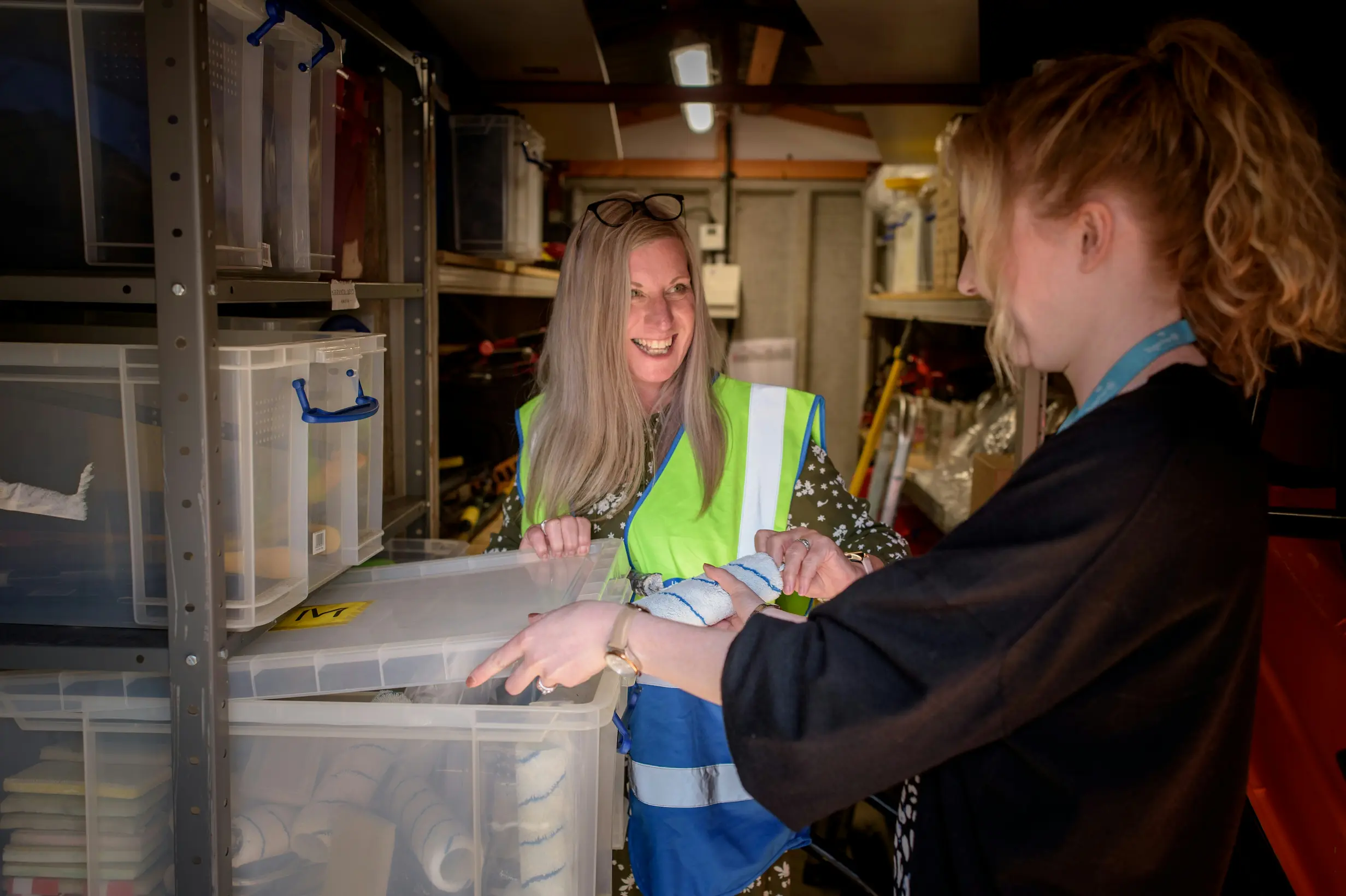
What This Service Is
A structured review of the worker's job demands, the work environment and available duties.
Who It Helps
This service supports multiple stakeholders in the return to work process.
Injured Workers
Understanding job demands helps plan safe and sustainable return to work pathways.
Employers
Clear recommendations for workplace modifications and accommodation strategies.
Rehabilitation Teams
Objective data to inform return to work planning and goal setting.
When It's Needed
Workplace Assessment is valuable at key stages of the rehabilitation journey.
Pre-Return Planning
Before returning to work to identify necessary accommodations.
Barrier Identification
When physical or environmental barriers are suspected.
Job Modification
To determine specific workplace adjustments or equipment needs.
Why It Matters
Workplace uncertainty is a major barrier to recovery. When the demands of the job are unclear — or when suitable duties are not well defined — planning becomes difficult, progress slows, and risk increases.
Shared understanding
Everyone shares the same understanding of what the job requires.
Early duty identification
Suitable duties are identified early and with purpose.
Risk recognition
Risks in the workplace are recognised and addressed.
Structured capacity upgrades
Capacity upgrades can be planned in a structured way.
Realistic expectations
Expectations remain realistic and fair.
What Rebility Does
Rebility conducts workplace assessments that balance clinical insight with real-world workplace experience.
Demand analysis
Analysis of physical, cognitive and psychosocial job demands.
Ergonomic review
Ergonomic review of workstations, tasks and equipment.
Suitable duty identification
Identification of safe, suitable duties aligned with capacity.
Modification recommendations
Recommendations for modifications or adjustments.
What Referrers Can Expect
Rebility's approach ensures that workplace assessments translate directly into actionable, workable RTW plans.
Timely completion
Early scheduling and timely assessment completion.
Structured reporting
Concise, structured reporting with clear recommendations.
Transparent justification
Transparent justification for each duty or modification suggested.
Risk identification
Identification of risks that may delay progress.
Benefits & Outcomes
A thorough workplace assessment ensures clarity that supports better decisions, smoother communication and stronger recovery outcomes.
Clear understanding of job demands
Clear understanding of job demands and workplace expectations.
Early identification of suitable duties
Early identification of suitable duties.
Ergonomic improvements
Ergonomic improvements that support safe recovery.
Reduced reinjury risk
Reduced risk of reinjury or escalation.
Stronger alignment
Stronger alignment between functional capacity and work tasks.
Increased confidence
Increased confidence for workers returning to the workplace.
Structured planning
More predictable and structured RTW planning.
Better communication
Better communication between all stakeholders.
Frequently Asked Questions
Common questions about Workplace Assessment services.
A review of job tasks, physical and cognitive demands, ergonomic setup, available duties and any environmental or workplace factors that may influence recovery.
Typically onsite, as this provides the most accurate understanding. Remote or hybrid reviews may be used when appropriate and supported by sufficient information.
Most assessments take 1–2 hours depending on the complexity of the role and workplace layout.
Yes. Understanding operational needs and duty availability is essential for accurate RTW planning.
Yes. We provide practical ergonomic advice when workstation or task adjustments can support safer participation.
We help explore alternative tasks, task modifications or graduated plans. If appropriate, we advise on next steps, including whether a vocational pathway may need to be considered.
Where relevant, we identify workplace factors that may influence recovery and highlight them so they can be addressed proactively.
Ready to Schedule a Workplace Assessment?
Contact us to discuss your needs or make a referral for workplace assessment services.